Image

The Community Data Fellowship recently wrapped up its second year of community impact and collaboration, with this year's iteration featuring a partnership with Network2Work at Piedmont Virginia Community College.
The program, founded by the Center for Community Partnerships in collaboration with the School of Data Science, supports a small cohort of UVA graduate students in developing their community-engaged data science skills by working on deliverables for community partners.
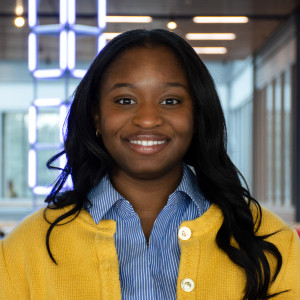
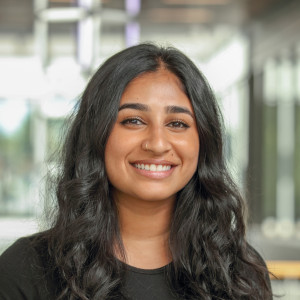
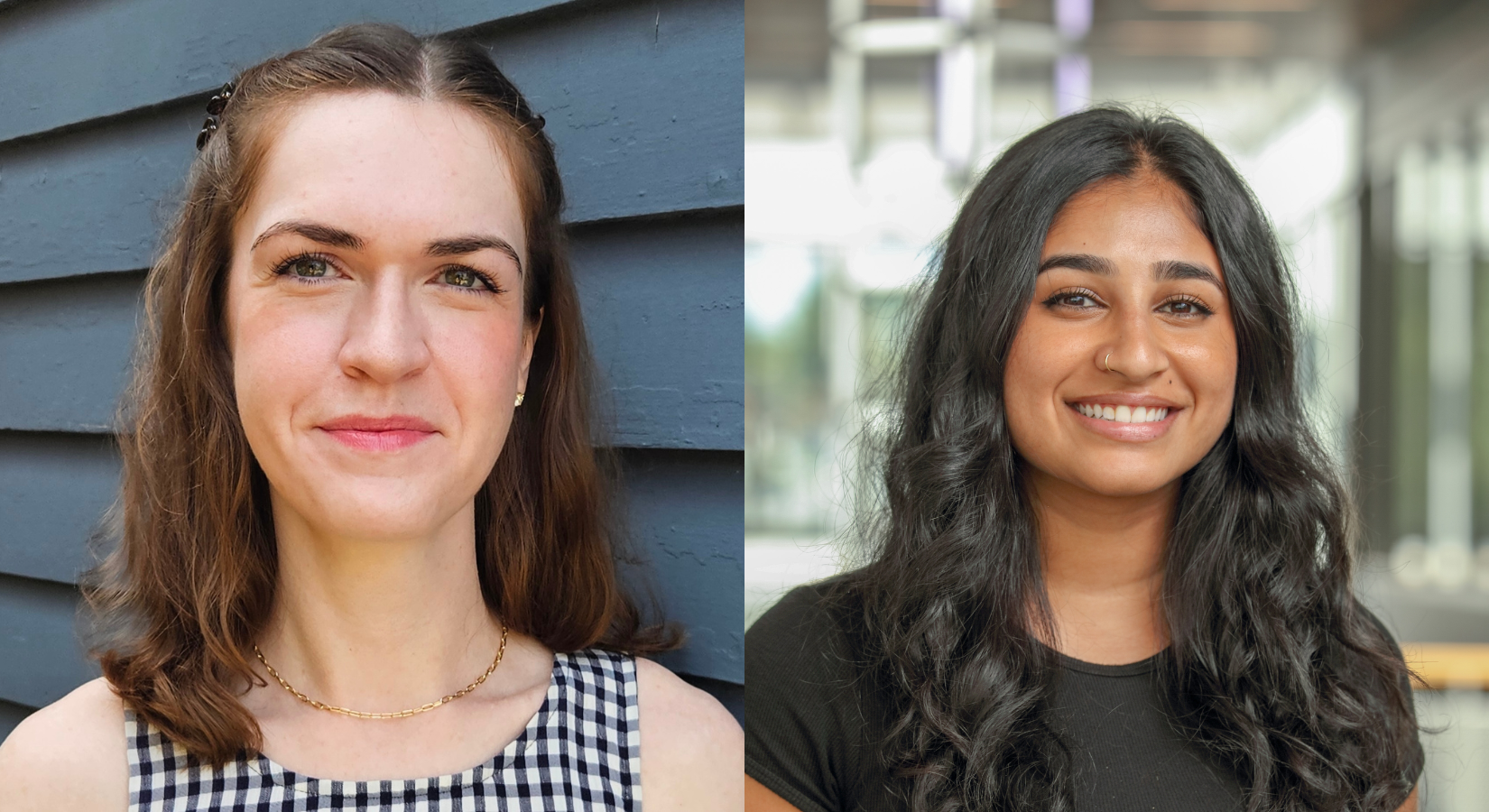
Each year, four fellows are selected — two by the School and two by the Center. These students work collaboratively on a deliverable that will meet the needs of the community partners. The 2024-2025 academic year featured Ph.D. in Data Science students Gia Smith and Luz Melo, and newly named for the 2025-2026 academic year are fellow Ph.D. students Eileanor LaRocco and Madelyn Mathai.
Siri Russell, associate dean for community and government partnerships, explained the inspiration for the program. "We really wanted to work together to create an opportunity for UVA graduate students to learn more about community-engaged scholarship in a way that really served the needs and specific interests of our local partners," she said.
Smith and Melo spent the fall semester reviewing data ethics, community-engaged scholarship, and best practices, then worked to create the partner's deliverable in the spring. Russell noted that the program is not designed just for fellows to have an accolade for their resume, but instead to give real-world experience and training on community-engaged data science.
"It is designed to have our fellows be able to leave this program saying, 'I went into this community and supported the work of our nonprofit partners and facilitated their ability to deliver on the promise of their missions and their direct services. And I'm equipped to do that going into the future as well,'" Russell said.
This means working on best practices, theories, and principles related to community-engaged scholarship, but also training fellows to be able to discern what is most relevant to the context of their community partners.
This past year, the fellows partnered with PVCC on Network2Work, a program that connects jobseekers with the training and resources needed to secure family-sustaining employment that aligns with local needs. Network2Work sought help validating data evidence to understand their impact and identify areas for further growth. Fellows provided the organization with an interactive dashboard that gave them the ability to describe and display their impact on the people they serve.
Smith shared that her experience in the program was valuable for not only for the partner but personally as well. "One of the most rewarding aspects was building data products that were immediately useful to the Network2Work team," she said. "It was meaningful to know that the visualizations and analyses I produced could directly support their mission of connecting community members with not just jobs, but stable and fulfilling career pathways. The collaboration felt grounded in mutual respect and shared goals."
For Smith, community-focused data science is important because it ensures that advanced analytics do not remain siloed in academia or tech, but instead become tools that uplift marginalized voices and meet real needs. "As a Black woman in STEM, I see this approach as critical for combating structural inequities and ensuring that the people most affected by data-driven decisions have a seat at the table," she said.
The 2025-26 academic year will see LaRocco and Mathai work with the local Charlottesville chapter of The Fountain Fund, which provides low-interest loans and financial coaching to formerly incarcerated people, helping them build credit and achieve their self-determined goals. The Fountain Fund also advocates for public policy that increases economic opportunities and reduces obstacles for formerly incarcerated people.
In the past, Community Data Fellows have partnered with United Way of Greater Charlottesville and the Piedmont Court Appointed Special Advocates, two organizations that focus on stability and quality of life for regional residents. Fellows created a comprehensive guide and project tool to help the United Way pull U.S. Census Bureau data on the demographics of the regions they serve.
Patrick Hayes, data analyst at United Way, said the data-pulling tool made a significant impact on their ability to quickly create ad hoc analyses. "The tool has helped us deliver information from the American Community Survey to early childcare and education providers looking to better understand the need for their services while looking to expand their capacity," he said. "As our reach across our region of Virginia has expanded, this partnership with the Community Data Fellowship has helped us scale up our ability to deliver data to our partners as we work to develop increased access to and higher quality early childcare and preschool."
Past fellows also completed a data analysis of program impact and found valuable insights for Piedmont CASA. Kate Duvall, president and CEO of Piedmont CASA, said they worked with the fellows to take a holistic look at their entire set of historical data.
"As a 30-year-old organization looking ahead to our fourth decade of service in this community, understanding the impact of our work thus far as well as areas for growth and opportunity was important to us," Duvall said. "The Data Fellows were able to provide us with a professional analysis and summary that has helped us to chart a course forward that will best serve our community while making necessary changes to our approach."
Subscribe to receive updates from the School of Data Science.