Image
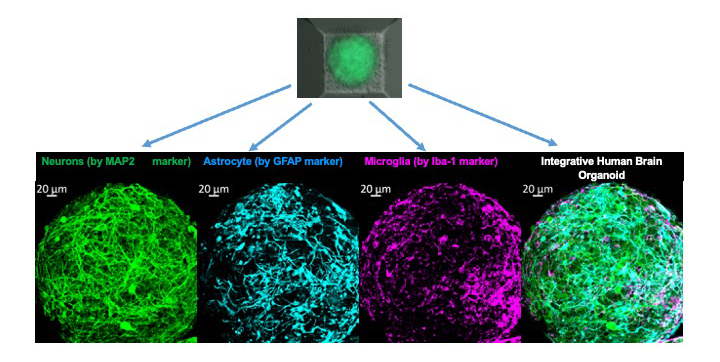

In this episode of Data Points, we’re diving into a fascinating intersection of cutting-edge science and data innovation. As technology continues to evolve, researchers are increasingly turning to brain organoids — miniature, lab-grown models of the human brain — to unravel some of the most complex mysteries of neuroscience.
We’re joined by three brain organoid experts: Thomas Hartung, Professor of Environmental Health and Engineering at Johns Hopkins University; Jack Van Horn, Professor of Data Science and Psychology at the University of Virginia; and Lulu Jiang, Assistant Professor of Neuroscience, also at the University of Virginia. Together, they’ll shed light on how brain organoid technology is reshaping our understanding of the brain and how data science is playing a crucial role in unlocking its secrets.
Brain organoids are three-dimensional (3D) structures grown in the laboratory that mimic certain aspects of the human brain. They are generated from pluripotent stem cells, which have the ability to develop into any cell type in the body.
Modeling brain development: Brain organoids can be used to study how the brain develops from early embryonic stages to adulthood. This can help us understand normal brain function and identify potential causes of neurological disorders.
Investigating brain diseases: Organoids can be used to model neurodegenerative diseases, such as Alzheimer's and Parkinson's, as well as brain tumors. This allows researchers to study the underlying mechanisms of these diseases and test potential treatments.
Drug discovery: Brain organoids can be used as a platform for drug screening. They can be exposed to potential drugs to assess their effects on brain function and disease progression.
Studying brain connectivity: Organoids can be used to study how different regions of the brain communicate with each other. This can provide insights into brain networks and how they are affected by disease or injury.
Subscribe to receive updates from the School of Data Science.